

Blogs
How Do You Fix a Slow Shower Drain?

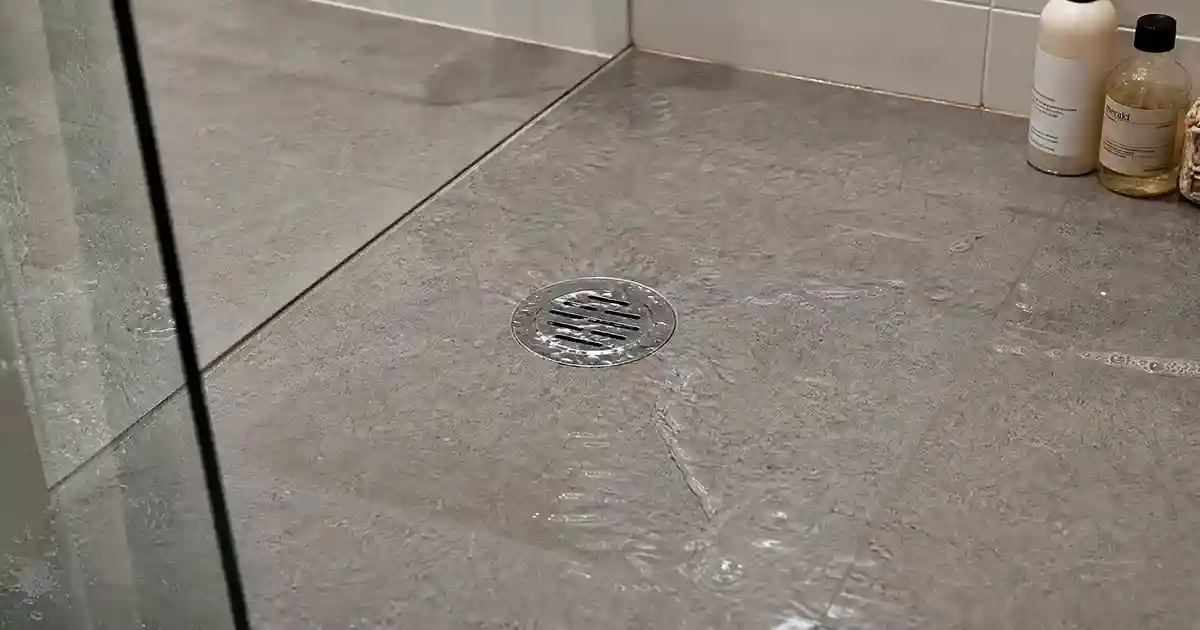
You step into your shower for a five-minute rinse and end up standing in ankle-deep water by the time you’re done. Sound familiar? A slow shower drain is one of those problems most people put off dealing with, but it rarely gets better on its own. The longer you ignore it, the worse it gets, and what started as a minor inconvenience can turn into a fully blocked drain that affects your whole plumbing system.
Here’s the thing: fixing a shower drain does not always require a call to a plumber right away. Depending on the cause, you may be able to handle it yourself at home. But understanding what’s causing it is the first step. Let’s walk through everything you need to know.
What Causes A Slow Shower Drain?
The most common culprit is hair. Every time you shower, loose strands wash down the drain and gradually build up over the trap and pipes until the water can barely pass. Combined with soap scum, shampoo residue, and dead skin cells, that buildup turns into a thick, slimy obstruction that water struggles to move through.
Mineral deposits are another cause, especially in homes with hard water. Over time, scale builds up along the inner walls of pipes and narrows the passage. In some cases, the issue isn’t even in your shower drain itself but further down the line, which is when you know it’s time to call in a professional.
How To Fix A Slow Shower Drain At Home
If you want to try fixing your slow shower drain yourself before calling a plumber, here are the most effective methods, starting with the simplest.
The first thing to try is boiling water. Carefully pour it down the drain, but in stages. This can break down soap residue and soft grease. Note: skip this step if you have PVC pipes, as boiling water can warp them. If that doesn’t fully work, try the baking soda and vinegar method. Pour about a cup of baking soda down the drain, follow it with an equal amount of white vinegar, let the mixture sit for at least an hour, and then flush with hot water. This natural combination can dissolve mild buildup without damaging your pipes.
If the blockage is hair-related, clearing it by hand is often the most direct solution. Remove the drain cover, put on a pair of gloves, and pull out any visible buildup. A straightened wire coat hanger works well as a hook for debris that’s just out of reach. A plunger can also be effective for dislodging blockages that are a bit further down. For deeper or more stubborn clogs like main sewer line, a drain snake lets you reach further into the pipe and break up or retrieve the obstruction.
What If None of That Works?
If you’ve tried the DIY options and your slow shower drain is still sluggish, the blockage is likely deeper than what home tools can reach. At this point, you’re looking at a buildup that has settled further down the drain line or in the main system. A professional plumber can perform a proper inspection, identify exactly where the blockage is, and clear it using the right equipment, whether that’s hydro jetting, a motorized auger, or targeted pipe repair.
Preventing a Slow Shower Drain Going Forward
Once the drain is clear, a few simple habits can keep your slow shower drain from returning. The single most effective thing you can do is install a drain cover or hair catcher. These simple, inexpensive tools stop hair before it enters the drain. Make it a habit to clean the cover after every shower. Avoid washing heavy grease or oil-based products down the drain whenever possible, and run hot water through the drain after each shower to help clear residue before it settles.
Scheduling a professional drain inspection once a year is also a smart move. A professional can spot early buildup and clear it before it becomes a real problem.
Ready to Reclaim Your Shower?
If DIY methods haven’t solved your slow shower drain, don’t wait until it becomes a full blockage. Plombeo offers professional drain cleaning services for residential properties across Québec. Our certified plumbers get to the root of the problem and fix it properly, so you can stop standing in standing water.