

Blogs
Why Is My Faucet Dripping After Water Is Turned Off?

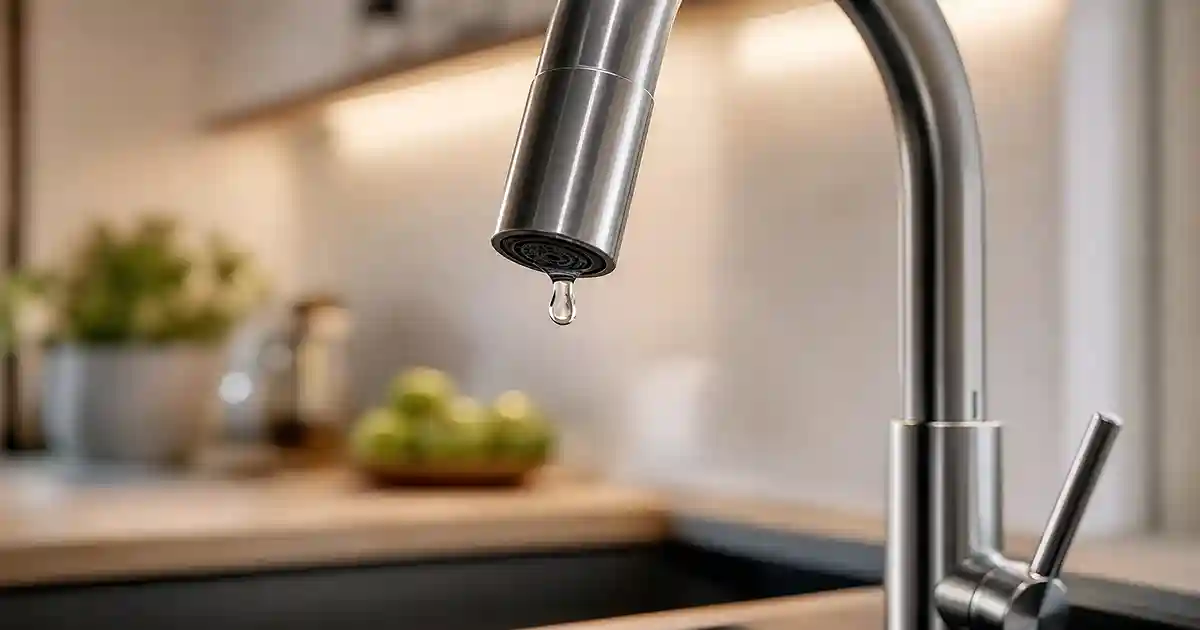
You turn off the tap, walk away, and then you hear it. Drip. Drip. Drip. A faucet dripping after water is turned off is one of those issues people tend to dismiss as a minor annoyance. But that steady drip is usually a sign that something inside the faucet has worn out or failed, and if you leave it, you’re looking at water waste and potential damage that compounds over time.
The good news is that most dripping faucets have a clear cause, and once you know what’s behind it, you can decide whether it’s a quick DIY fix or time to bring in a professional. Here’s a full breakdown of what causes a faucet to drip even when it’s turned off and what to do about it.
The Most Common Causes
Most faucet drips come down to worn or damaged internal components. Here are the main ones to know about.
1. Damaged O-Rings
An O-ring is a small rubber ring that sits around the valve stem and creates a watertight seal. With regular use, O-rings wear down, crack, or loosen over time. If your faucet is dripping after the water is turned off from beneath the handle or around the base of the spout, a faulty O-ring is often the cause. In many cases, replacing it is straightforward, though for cartridge faucets, the whole cartridge unit may need to come out first.
2. A Worn or Loose Washer
Compression-style faucets use a rubber washer that presses against a seat to stop the flow of water. Every time you turn the tap off, that washer is compressed. Over years of use, it wears down and stops sealing properly. A loose or deteriorated washer is one of the most common reasons for a faucet dripping after water is turned off, and replacing it is typically a manageable fix for a homeowner comfortable with basic plumbing.
3. A Corroded Valve Seat
The valve seat is the connection point between the faucet and the spout. If sediment and mineral deposits accumulate around the valve seat over time, they cause corrosion that prevents a proper seal. This results in water seeping through even after the tap is closed. In older faucets, the valve seat can sometimes be resurfaced, but in many modern fixtures, it means the unit needs to be replaced entirely.
4. Worn Cartridge or Ceramic Disc
Many modern faucets use a cartridge or ceramic disc mechanism instead of traditional washers. These can develop cracks, wear, or sediment buildup that interferes with the seal. If you have a single-handle or lever-style faucet and notice a faucet dripping after the water is turned off, the cartridge or disc is likely the problem. These parts can be replaced, but you need to match the exact model to ensure a proper fit.
5. High Water Pressure
Sometimes the issue isn’t the faucet at all. If your home’s water pressure is too high, it can force water past the valve even when the tap is closed. You might notice the drip is worse at certain times of day or when other fixtures are in use. A pressure regulator installed on your main supply line can resolve this if high pressure is confirmed as the cause.
When to Call a Plumber
Some dripping faucets are genuinely simple to fix with the right parts and a bit of patience. But if you’ve already replaced the washer or O-ring and your faucet is still dripping after the water is turned off, the underlying issue likely requires professional diagnosis. Hard water, long-term corrosion, and incompatible parts can all complicate what looks like a basic repair. A plumber can pinpoint the exact cause, source the right components, and fix it properly the first time without the guesswork. Also read about Hydro Jetting Vs Drain Snaking.
Stop That Drip for Good
A faucet dripping after water is turned off isn’t something to push to the back of your mind. It wastes water and signals that a component inside your faucet is failing. If you’re not confident handling the repair yourself, or if the problem keeps coming back, reach out to Plombeo. Our certified plumbers cover everything from fixture repairs to full plumbing inspections, delivered with the precision and clean workmanship you deserve. Call us today and let’s sort it out.