

Blogs
What Causes Copper Pipes to Corrode in Your Home?

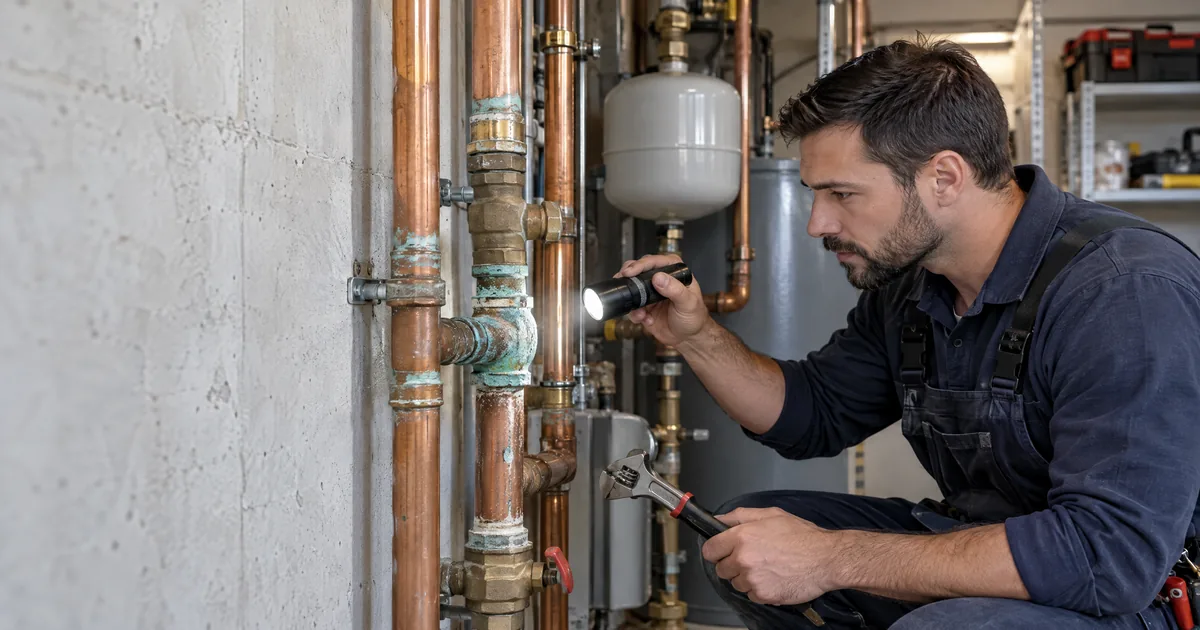
Copper has been the trusted material of choice for residential plumbing for decades, and with good reason. It is durable, resistant to bacteria, and handles both heat and pressure well. But copper is not indestructible. When the right conditions are present, copper pipes corrode from the inside out, leaving behind pinhole leaks, discoloured water, and a plumbing system that deteriorates faster than it ever should. Understanding what causes copper pipes to corrode is one of the most valuable things you can know as a homeowner.
The signs of copper corrosion are often missed until the damage has already progressed. Blue-green stains on your sinks, fixtures, or bathtub surfaces are one of the first visible clues. A metallic taste in your tap water is another. Catching the cause early gives you the ability to intervene before pinhole leaks or pipe failure create a much larger problem. This guide covers the primary causes, what makes copper pipes corrode, and what you can do to protect your system.
Low pH: Acidic Water
Water with a pH below 7 is considered acidic, and acidic water is one of the most common causes of copper pipe corrosion. When acidic water moves through your supply lines continuously, it reacts chemically with the copper surface, gradually dissolving the metal into the water. The copper that leaches out is what causes blue-green staining on your fixtures and gives your water a metallic flavour. According to the EPA, elevated copper levels in drinking water above 1.3 mg/L are a health concern, particularly for infants and people with liver conditions.
Well water is particularly susceptible to low pH. Municipal water is treated to maintain pH balance, but private well water can naturally run acidic depending on the geology of the surrounding soil. A professional water test revealing acidic water can be addressed with a calcite neutralizer or a soda ash feeder, both of which raise the pH to a range that is safe for copper infrastructure.
High pH: Alkaline Water
The opposite extreme also contributes to copper pipe corrosion, though through a different mechanism. Water with a pH above 8.5 can create scaling conditions inside pipes and, in combination with other factors like high temperature or certain dissolved minerals, can accelerate localized corrosion, particularly in hot water lines. Hot water pipes face additional stress because copper expands and contracts with temperature changes, which makes the pipe walls more vulnerable to oxidation over time.
High Total Dissolved Solids and Hard Water
Total dissolved solids, or TDS, refers to the concentration of inorganic minerals and salts present in your water. High TDS increases the water’s electrical conductivity, which accelerates the electrochemical reactions that cause copper pipes to corrode. Hard water, which contains elevated levels of calcium and magnesium, can contribute to scale buildup on the interior pipe wall. While a thin mineral layer sometimes offers minor protection, excessive scale creates pockets where corrosion initiates and progresses more rapidly.
Dissolved Oxygen and High Water Velocity
High levels of dissolved oxygen in your water supply speed up the oxidation process on copper surfaces, forming copper oxide and the characteristic blue-green patina you may see on exposed fittings. This is a natural chemical reaction, but it becomes problematic when it occurs inside the pipe rather than on the exterior.
Water velocity is a separate but related factor. The Canadian Plumbing Code and industry guidelines recommend keeping cold water velocity below approximately 2.4 m/s and hot water velocity below 1.2 m/s in copper supply lines. When water moves faster than this, it strips away the thin protective oxide layer on the copper interior through a process called erosion corrosion, leaving fresh metal continuously exposed. Undersized pipes, improper fittings, or high supply pressure all contribute to excessive velocity.
Stray Electrical Currents
This is a cause that surprises many homeowners. If your home’s electrical grounding system uses metal water pipes as a ground conductor, or if there is a grounding fault nearby, stray electrical currents can flow through your copper plumbing. This electrochemical activity accelerates copper corrosion dramatically in a process called electrolytic corrosion, which can eat through fittings and pipe walls far faster than any water chemistry issue alone. A licensed plumber or electrician can assess whether your system is correctly grounded and separate from your water lines if needed.
Bacteria and Environmental Factors
In well water systems, iron-reducing and sulphate-reducing bacteria can produce acidic or corrosive byproducts as part of their metabolic process. These byproducts directly attack the copper pipe interior and are one reason copper pipes corrode faster in some homes with private wells than others. Pipes running through damp concrete or clay-rich soils, or buried in aggressive soils high in chlorides and sulphates, can also corrode from the outside in.
What to Do if You Suspect Copper Corrosion
If you are seeing blue-green stains, tasting metal in your water, or dealing with repeated pinhole leaks, the first step is a professional water test. Testing for pH, TDS, hardness, dissolved oxygen, and copper levels will identify the specific cause and guide the right treatment. A licensed plumber can assess your pipe condition, recommend water treatment solutions, and determine whether sections of your system need replacement.
Contact Plombeo for professional plumbing services across Québec. Our certified team assesses copper pipe corrosion accurately, identifies the underlying cause, and repairs or replaces affected sections with the durability and clean workmanship your home deserves.