

Blogs
Is Low Water Level in Toilet Bowl Dangerous

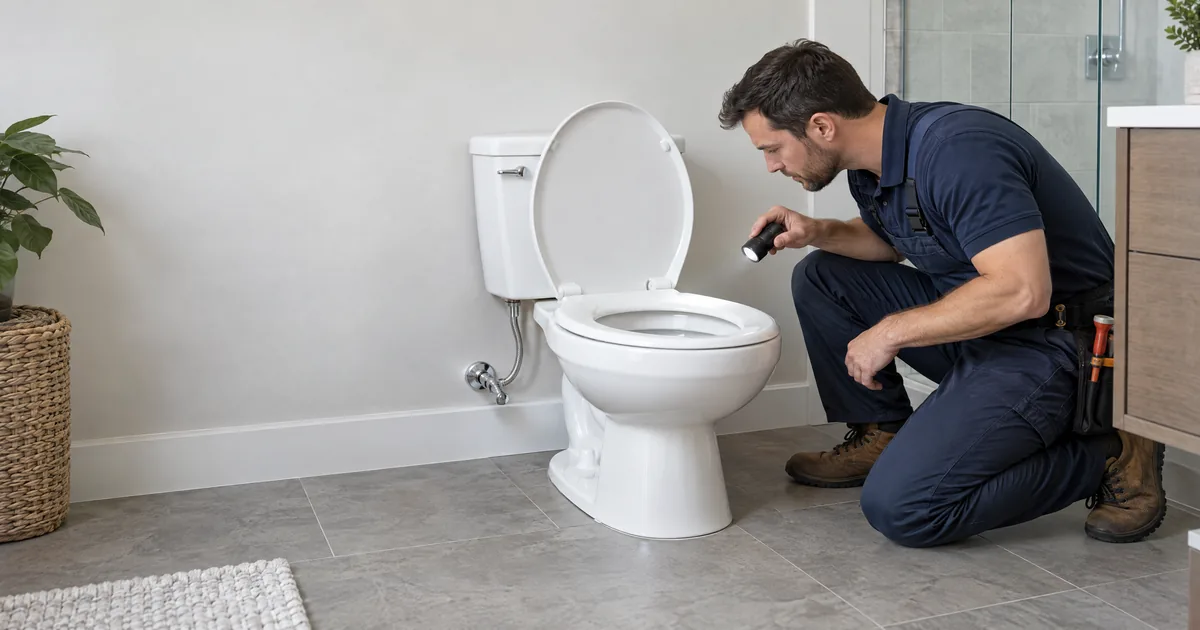
You glance into your toilet bowl and notice the water sitting lower than it usually does. It might seem like a trivial observation, but a low water level in the toilet bowl is actually a sign worth paying attention to. Your toilet’s water level is not arbitrary. It is calibrated to maintain a specific depth that performs an important function, and when that level drops, the consequences range from minor inconvenience to a genuine plumbing concern.
Most homeowners assume the water level in the bowl is just about flushing power. In reality, it is about much more than that. Understanding why the water level in your toilet bowl is low, what it signals about the health of your plumbing system, and when it becomes a problem that needs professional attention can save you from a much more unpleasant situation down the road.
What the Water Level in Your Toilet Bowl Actually Does
The standing water in your toilet bowl serves a critical function: it acts as a seal against sewer gas. Your toilet bowl is connected to the drain system, which contains hydrogen sulphide, methane, and other gases produced by decomposing waste. The water in the bowl covers the drain opening and prevents those gases from rising into your bathroom. When the toilet bowl water level is low, that gas barrier is reduced or eliminated entirely.
Sewer gas is not just unpleasant. At elevated concentrations in an enclosed space, hydrogen sulphide can cause headaches, nausea, and eye or respiratory irritation. So yes, a low water level in the toilet bowl can become a health concern if the root cause allows sewer gas to enter the bathroom consistently.
A Cracked Toilet Bowl
One of the most common reasons for a low toilet bowl water level is a crack in the porcelain of the bowl itself. Hairline cracks are not always visible to the naked eye, especially when dry. They may only release water slowly when the bowl is filled under normal use. If the bowl drains slowly without flushing, if you notice moisture or discolouration at the base, or if the water level fluctuates after flushing and never fully restores, a crack in the bowl is a strong possibility. A cracked toilet cannot be repaired and needs to be replaced.
A Faulty Fill Valve or Float
The fill valve controls how water enters the tank, and the float regulates when the valve opens and closes. If the fill valve is worn, debris-clogged, or misadjusted, it may not allow the tank to fill to the correct level, which in turn means the bowl does not receive enough water per flush to maintain the correct standing level. A float set too low is a common and easily corrected cause of a low water level in the toilet bowl, and adjusting or replacing the fill valve assembly is a straightforward repair in most cases.
A Clogged or Partially Blocked Rim Jet
Water enters the toilet bowl during a flush through small holes called rim jets located under the toilet rim. Over time, mineral deposits from hard water can partially or fully block these jets. When the jets are blocked, the flush is weak, and the bowl does not refill completely. You can inspect the rim jets by holding a mirror under the rim and looking for any that appear caked with scale. A professional cleaning restores full flow through all jets and brings the bowl level back to normal.
A Blocked or Compromised Vent Stack
Your plumbing vent stack regulates air pressure across the entire drain network. When the vent is blocked, typically by debris, ice in winter, or a bird’s nest, it creates negative pressure in the drain system. That negative pressure can effectively siphon water out of your toilet P-trap and bowl, leaving the water level in the toilet bowl low or even completely empty. If you notice the low water level is accompanied by gurgling sounds from nearby drains, the vent stack is a very likely cause.
A Partial Clog in the Toilet Drain
A partial clog in the toilet drain can create suction that gradually pulls water down after a flush, leaving the bowl with a low water level. Unlike a full clog that prevents flushing entirely, a partial blockage allows flushing but interferes with the bowl’s ability to retain the correct water level afterward. If the water level drops consistently in the minutes following a flush, a partial clog is worth investigating.
When to Call a Professional
A low water level in the toilet bowl that returns consistently after you have ruled out float adjustment and obvious blockages signals an underlying issue that needs a professional diagnosis. Cracks, vent blockages, and partial drain clogs all require tools and expertise beyond what a standard home toolkit provides.
Contact Plombeo for expert plumbing services across Québec. Our certified plumbers identify the exact cause of a low toilet bowl water level and fix it cleanly and completely.