

Blogs
What is a Plumbing Cleanout & Why You Need One?

Most homeowners are reasonably familiar with their plumbing fixtures: sinks, toilets, drains, water heaters. But there is a component of the plumbing system that most people have never thought about and would struggle to identify if asked: the cleanout. A plumbing cleanout is one of those things that is invisible when everything is working and absolutely critical when something goes wrong. If your home does not have one that is accessible, you will likely find out the inconvenient way.
Understanding what a plumbing cleanout is, where it is located, and why it matters gives you a meaningful advantage when you need professional drain or sewer work done. This guide explains everything clearly, without jargon, so you know exactly what to expect whether you already have one or are considering having one installed.
What Is a Plumbing Cleanout?
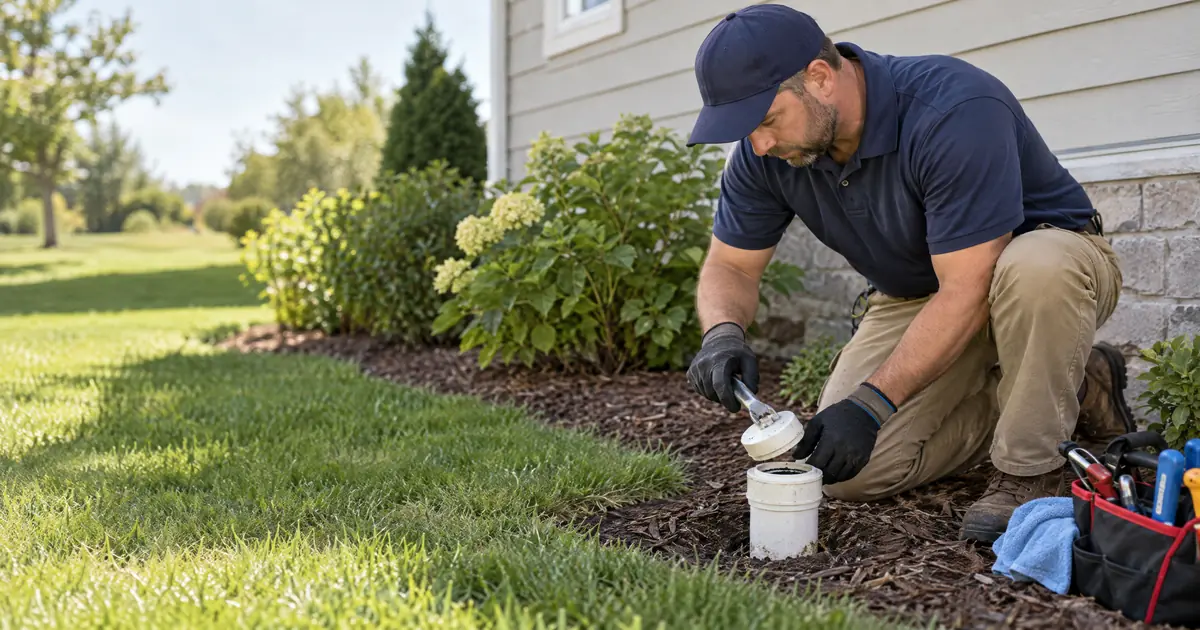
A plumbing cleanout is an access point built into your drain or sewer line. It is a capped pipe fitting, typically a short vertical or angled stub of pipe with a removable threaded plug, that allows a plumber to insert tools, cameras, or clearing equipment directly into the main drain line without having to disassemble fixtures, pull toilets, or access the pipe from the roof vent stack.
The cleanout plug can be removed to give direct access to the sewer line, allowing a plumber to run a drain snake, insert a camera, or perform hydro-jetting without routing through a fixture. When the work is done, the plug is replaced, and the system is sealed again. It is a simple component with a significant impact on how quickly and cost-effectively drain and sewer issues can be resolved.
Where Is a Plumbing Cleanout Located?
The location of a plumbing cleanout varies depending on the property type and when it was built. In many Canadian homes, the cleanout is located inside the basement, typically where the main drain line exits toward the street. This is accessible but has a practical limitation: when the main sewer line is blocked and backing up, opening a basement cleanout releases any backed-up sewage into the basement.
The preferred location for a plumbing cleanout is along the exterior of the home, near the foundation where the main sewer line leaves the building. This allows a plumber to access the line from outside the house, which is both safer and cleaner when the line is fully backed up. Some homes have both interior and exterior cleanouts, which is ideal.
In some older properties, the cleanout is non-existent or has been buried or covered during past renovations, hidden behind drywall, under flooring, or beneath a concrete pour. If you have never seen a cleanout on your property, it is worth asking a plumber to locate it during a routine inspection.
Why Does Your Home Need a Plumbing Cleanout?
When your sewer line backs up, or a major drain blockage occurs, the cleanout is what allows a plumber to address it efficiently. Without a plumbing cleanout, the plumber has two options: access the sewer line through the roof vent stack (which requires roof access and significantly longer tool runs) or pull a toilet to gain access through the drain flange. Both alternatives take more time and cost more.
With an accessible plumbing cleanout, a plumber can show up, insert the camera or clearing equipment directly, locate the blockage on screen, and apply the right clearing method in a fraction of the time. That translates directly into a lower service cost and less disruption to your home.
How to Tell If Your Home Has a Plumbing Cleanout
Look along the exterior of your home’s foundation for a short-capped pipe, typically PVC or ABS plastic in newer homes or cast iron in older ones, at or just above ground level. Inside a basement, check along the floor near the main drain exit point for a similar capped fitting. If you find it, remove any covering or debris and confirm the cap can be removed with a wrench. If you cannot find one anywhere, assume one does not exist and ask a plumber to assess during their next visit.
What If Your Home Does Not Have One?
If your home has no accessible plumbing cleanout, having one installed is a straightforward and worthwhile plumbing investment. A licensed plumber can cut the main line, insert a wye fitting, and install a cleanout cap at the appropriate location. The cost of installation is easily recovered the first time a drain emergency requires access to the main line, and the job takes an hour instead of three.
Contact Plombeo for professional plumbing services across Québec. Whether you need a plumbing cleanout installed, located, or used as part of a drain inspection or clearing service, our certified team handles it with precision and clean workmanship every time.