
Blogs
How to Install Water Hammer Arrestor & Where?

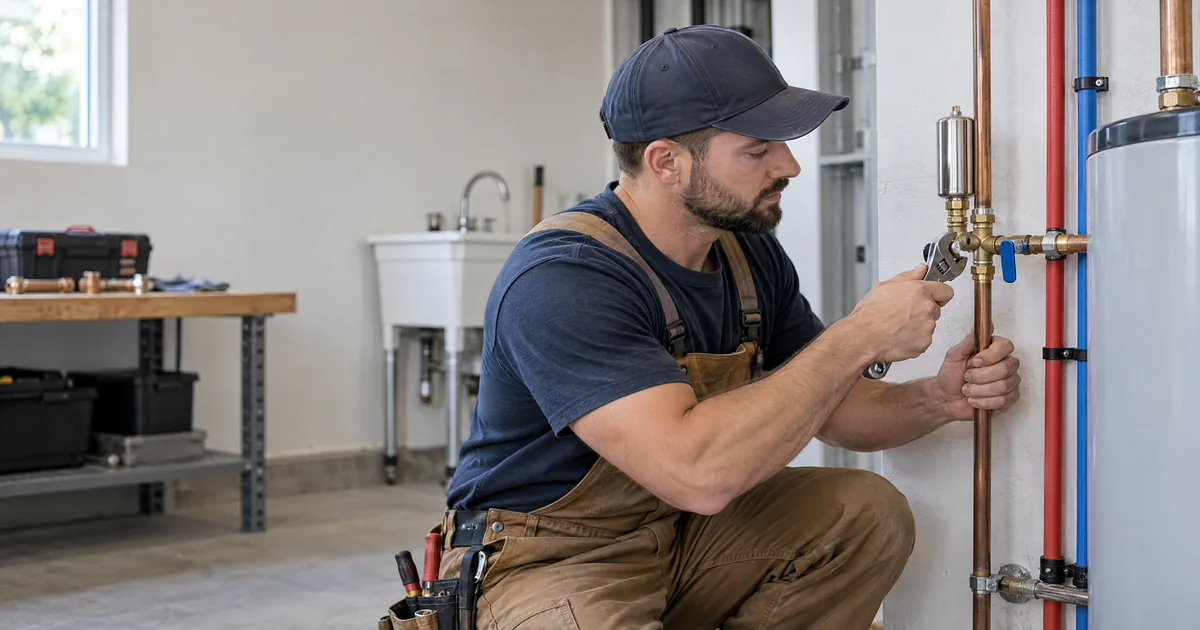
That sharp banging noise you hear when you turn off a tap or when the washing machine cycle ends is called water hammer. It is the sound of hydraulic shock, a column of moving water being stopped suddenly with nothing to absorb the impact. Left unaddressed, repeated water hammer puts real stress on pipe joints, fittings, and appliance connections over time. The most effective solution is a water hammer arrestor, a small device that absorbs the pressure spike and stops the bang before it reaches your pipes.
Knowing how to install a water hammer arrestor and, more importantly, where to install it, are the two questions that determine whether the device actually solves the problem. Position it incorrectly, and the knock continues. Get both right and the noise stops completely. This guide walks you through the mechanics of water hammer, how the arrestor works, where it goes, and how to install it.
Understanding How a Water Hammer Arrestor Works
A water hammer arrestor is a self-contained device with two chambers separated by a sealed piston. One chamber connects to the supply line and is filled with water. The other contains a compressed nitrogen charge sealed above the piston. When a valve closes abruptly and a pressure spike races through the pipe, that excess pressure pushes the piston upward into the nitrogen chamber. The gas compresses, absorbs the shock, and the piston returns to its resting position. No bang. No ongoing stress on your fittings.
This is a different mechanism from the older air chamber method. Air chambers are vertical stubs of pipe that trap an air column, but water gradually absorbs that air over time, leaving you back where you started. A properly sealed water hammer arrestor maintains its nitrogen charge indefinitely and does not require the periodic recharging that air chambers need.
Where to Install a Water Hammer Arrestor
Location is the most important factor in making a water hammer arrestor effective. The device must be installed as close as possible to the valve causing the shock. If the bang happens when your washing machine fills and shuts off, the arrestor goes on the hot and cold supply lines that feed the washing machine, directly at the connection point.
For dishwashers, the arrestor goes on the hot water supply line under the sink where the machine connects. For toilets that produce a bang when the fill valve closes, the arrestor is installed on the cold water supply line at the shut-off valve behind the toilet. The principle is simple: the shorter the distance between the closing valve and the water hammer arrestor, the more effective the absorption.
In a whole-home water hammer situation where multiple fixtures are affected, your plumber may recommend installing arrestors at the main supply near the water meter or pressure reducing valve in addition to or instead of individual fixture locations. This depends on the pressure level in your system and the specific failure points.
Installing a Water Hammer Arrestor: Step by Step
Most residential water hammer arrestors are designed for direct threaded connection and use a standard 1/2-inch or 3/4-inch NPT thread. Before starting, shut off the water supply to the area you are working on and release pressure by opening the nearest tap.
Wrap the threads of the arrestor with two to three layers of PTFE plumber’s tape, wrapping in the direction the threads turn when tightening. Thread the arrestor onto the available tee fitting or supply line connection by hand until snug, then tighten one additional half turn with an adjustable wrench. Do not overtighten, as this can crack plastic fittings or damage the arrestor seal.
If there is no tee fitting available at the target location, you will need to install one. This involves cutting the supply line, inserting a push-fit or soldered tee, and connecting the arrestor to the branch of the tee. For copper supply lines that require soldering, or wherever you are uncomfortable cutting into a pressurized supply line, this step should be handled by a licensed plumber.
When to Call a Professional
Installing a water hammer arrestor on an existing washing machine or dishwasher connection is a manageable DIY task for a homeowner comfortable with basic plumbing. Any installation that requires cutting into copper pipe, soldering, or working on main supply lines should be handled by a licensed plumber. If the water hammer is severe or widespread and you are not certain where it is originating, a professional assessment will identify the specific cause and the right installation points before any work begins.
Contact Plombeo for expert plumbing services across Québec. Our certified team installs water hammer arrestors at the correct locations, eliminates the source of pipe noise, and ensures your system operates without stress on its fittings and joints.