

Blogs
How to Fix Low Water Pressure in House

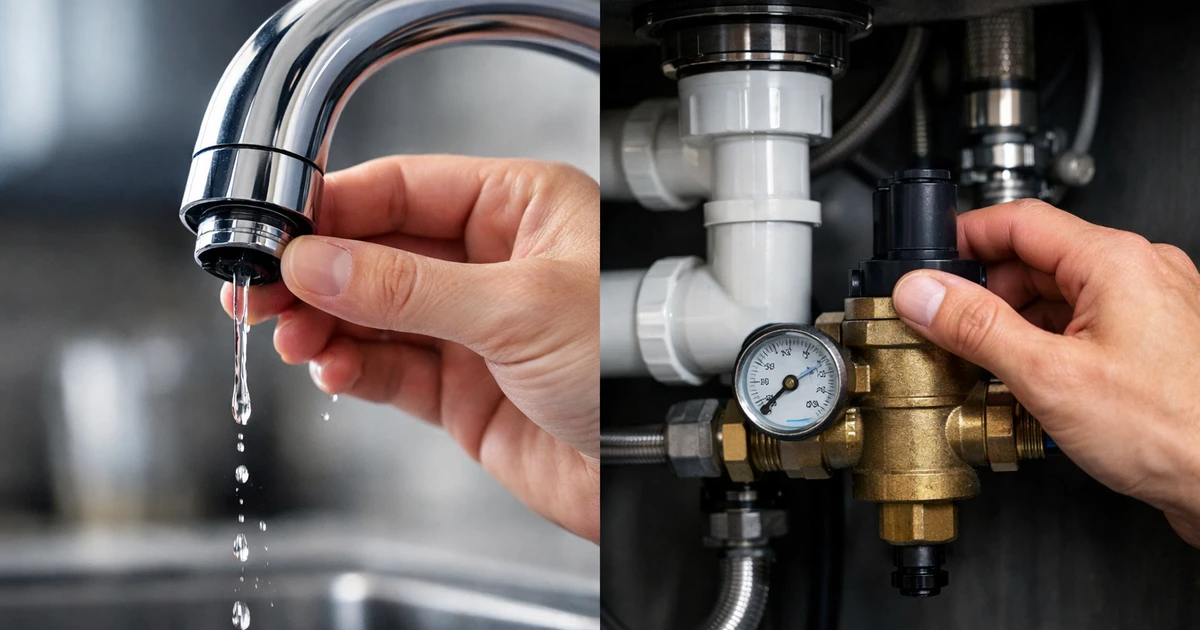
You turn on the shower expecting a steady flow, but instead you get a weak stream. Washing dishes takes longer. Filling a pot feels frustrating. If this sounds familiar, you are probably wondering how to fix low water pressure in house without replacing your entire plumbing system.
Low pressure is not always a major failure. In many cases, it is a symptom of something specific and correctable. The key is understanding what is causing it before jumping to conclusions. Let’s walk through what affects pressure in your home and how you can address it properly.
Start by Identifying the Scope of the Problem
Before learning how to fix low water pressure in house, determine where the issue is happening. Is it only one faucet? Just the shower? Or the entire house?
If the problem is limited to one fixture, the issue is likely localized. If every faucet has a weak flow, the cause may be connected to your main supply line or pressure regulator. Testing multiple fixtures helps narrow the source and saves you time.
Check for Clogged Aerators and Showerheads
Mineral buildup is one of the most common reasons for low pressure in Quebec homes. Over time, calcium and sediment collect inside faucet aerators and showerheads. This restricts water flow. If you are researching the reasons for low water pressure in your home, this is one of the easiest places to start.
Unscrew the aerator from the faucet and inspect it. Soak it in vinegar to dissolve mineral deposits. Rinse and reinstall.
For showerheads, remove and clean them the same way. Many homeowners see immediate improvement after this simple step.
Inspect for Partially Closed Valves
Sometimes, low pressure is not caused by a buildup but by a restricted supply. Check the main shutoff valve inside your home. It should be fully open. Also, inspect the water meter valve, especially if recent work was done on your property.
If either valve is partially closed, water flow throughout your home will be reduced. When considering how to fix low water pressure in your house, always confirm these basic checks first.
Look for Hidden Leaks
A hidden leak can divert water away from fixtures and reduce pressure. If you notice damp spots, or unusual sounds inside walls, you may have a leak affecting your system. Low pressure combined with these signs often indicates a supply line issue.
Checking your water meter can help confirm this. Turn off all fixtures and monitor the meter. If it moves, water is escaping somewhere in your plumbing. Professional inspection may be necessary to locate the exact source.
Evaluate Your Pressure Regulator
Many homes use a pressure-reducing valve to control incoming water pressure. Over time, this component can wear out.
If pressure suddenly drops throughout your entire house, the regulator may need adjustment or replacement. This step is more advanced and usually requires a licensed plumber.
When homeowners ask how to fix low water pressure in house, this is often the cause in homes that previously had strong pressure.
Consider Pipe Corrosion in Older Homes
If your home has older galvanized steel pipes, internal corrosion may restrict water flow. Corrosion builds up along pipe walls, narrowing the passage where water travels. This gradually reduces pressure over time.
In these cases, the long-term solution may involve partial or full pipe replacement. A professional evaluation ensures you choose the right approach without unnecessary disruption. That’s why consult to Drain Cleaning Services in Lery.
Do Not Ignore Persistent Pressure Issues
Low pressure may seem like a minor inconvenience, but it can signal larger plumbing concerns. Ignoring the problem may lead to pipe stress, uneven water distribution, or hidden leaks worsening over time. Understanding how to fix low water pressure in house helps you act early and avoid more complex repairs later. Also read about How to Unclog a Kitchen Sink.
Restore Proper Flow with the Right Approach
If you are dealing with weak water flow, start with simple checks like aerators and valves. If the issue persists, a professional inspection ensures nothing is overlooked.
Knowing how to fix low water pressure in house gives you clarity. Addressing the cause quickly protects your plumbing system and restores comfort throughout your home.
If your water pressure remains low after these steps, contact Plombeo for a professional assessment and precise repair. Reliable water flow is not a luxury. It is essential for daily living.