

Blogs
How to Fix a Running Toilet Before It Gets Worse

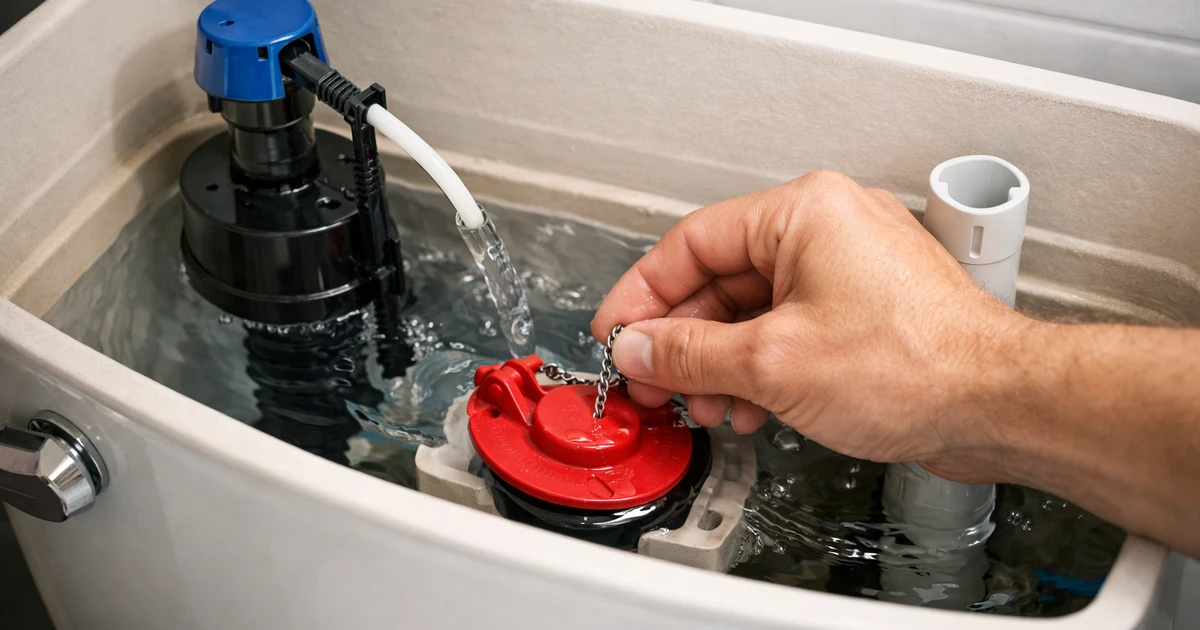
You hear it late at night. That constant sound of water moving inside the tank. It may seem small, but a running toilet can waste several litres of water every day.
If you are wondering how to fix a running toilet, you are not alone. This is one of the most common plumbing problems in any home. The good news is that most causes are simple. The better news is that you can often confirm the issue yourself before calling a professional. Let’s walk through what is happening inside your toilet and how to address it properly.
Understand What Causes a Running Toilet
Before you learn about fixing a running toilet, it helps to understand why it happens. Inside the tank, a few key parts control water flow. The flapper valve seals the tank. The fill valve refills it after a flush. The float controls the water level. If any of these parts fail, water continues flowing into the bowl.
Most of the time, the flapper is the problem. Over time, rubber wears down or becomes misaligned. That small gap allows water to slowly leak into the bowl. The tank keeps refilling to maintain its level, and the cycle continues.
Step One: Check the Flapper
If you want to know how to fix a running toilet, always start here. Remove the lid from the tank and flush the toilet. Watch the flapper as it lifts and drops. If it does not sit flat after the flush, it may be warped or misaligned.
You can test for leaks by using food colouring. Drop some of it in the tank. Wait about 15 minutes without flushing. If the colour starts to appear out of the bowl, the flapper is leaking.
Replacing a flapper is simple and inexpensive. Make sure you purchase the correct size for your toilet model.
Step Two: Adjust the Float
Sometimes the issue is not the flapper but the water level inside the tank. If the water rises too high, it flows into the overflow tube. This keeps the fill valve running continuously. Learning how to fix a toilet often means adjusting the float slightly downward.
Most modern toilets use a float cup attached to the fill valve. You can usually adjust it by turning a screw or clip on the side. Lower the water level so it sits about one inch below the overflow tube top. Flush again and observe. If the water stops at the proper level, you have solved the issue.
Step Three: Inspect the Fill Valve
If replacing the flapper and adjusting the float does not solve the problem, the fill valve may be worn. A faulty fill valve can fail to shut off properly. Mineral buildup from hard water can also affect your toilet’s performance.
Turn off your toilet’s water supply valve. Flush to drain the tank. Remove the old fill valve with a new one according to the manufacturer’s instructions. This step completes most repairs when addressing how to fix a running toilet in older units.
Check for Chain Issues
Problems can also occure from the chain connected to the flush handle of the flapper. If the chain is too short, it prevents the flapper from sealing properly. If it is too long, it may get caught underneath the flapper.
Adjust the chain so there is slight slack when the flapper is closed. This simple correction can stop continuous water flow. Also read about Finding a Water Leak.
When It Is Time to Call a Professional
While many homeowners can handle basic toilet repairs, some problems go deeper. If the toilet continues running after replacing internal components, there may be cracks in the tank, supply line issues, or improper installation. In these cases, professional inspection prevents further water waste and potential water damage. Consult to Emergency Plumber in Châteauguay as ignoring a running toilet can result in potential issues and stress your plumbing system over time.
Stop the Waste Before It Adds Up
Learning how to fix a running toilet helps you protect your home and reduce unnecessary water use. Most repairs are straightforward when you identify the correct part. If your toilet keeps running despite your efforts, do not wait. Contact Plombeo for a professional inspection and reliable repair. Addressing the issue early ensures your plumbing system runs efficiently and prevents future problems.