

Blogs
How to Fix Backflow Preventer Leaking?

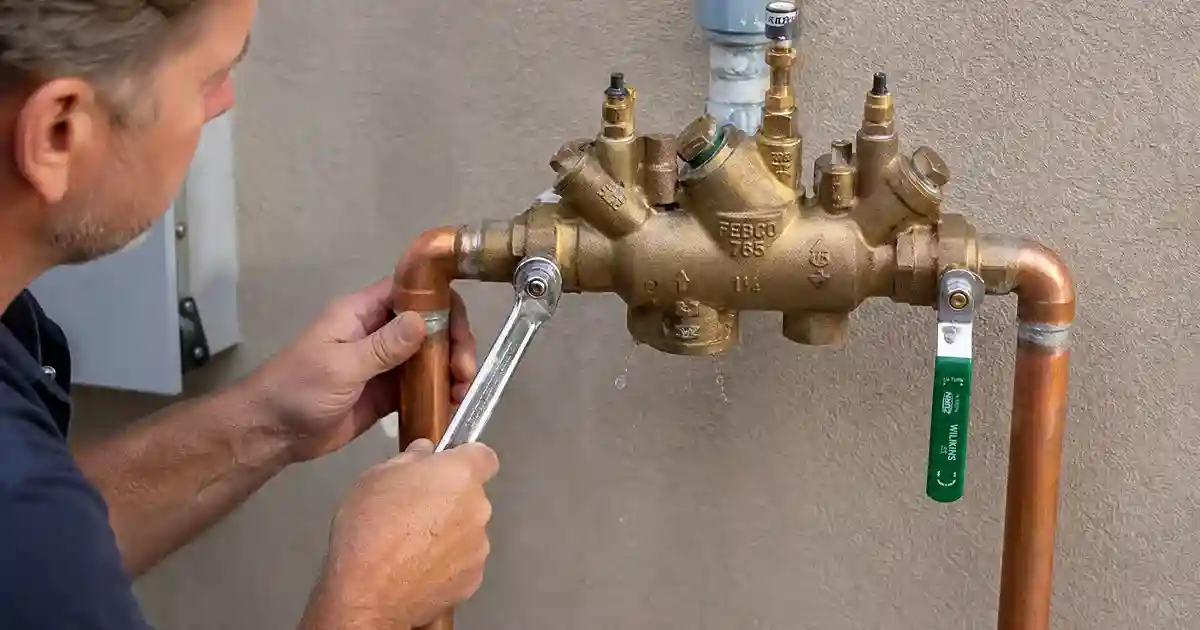
You notice water dripping from a valve that is not supposed to leak. It is not coming from a pipe joint. It is not from a faucet. It is coming from the backflow preventer itself. That can feel confusing at first.
If you are dealing with a leaking backflow preventer, it is important to understand that this device performs a very specific function. And when it leaks, it is often trying to tell you something about your system. Let’s break it down so you know what is normal, what is not, and what you should do next.
What a Backflow Preventer Actually Does
A backflow preventer protects your clean water supply. It ensures that contaminated water cannot flow backward into your main water system. This can happen when pressure changes inside the system.
The device creates a barrier that only allows water to move in one direction. When you see a backflow preventer leaking, it does not always mean failure. Sometimes it is a response to a pressure imbalance.
Why Backflow Preventers Leak
There are a few common reasons behind this issue. The most frequent cause is pressure fluctuation. If water pressure changes suddenly, the internal valve may release water to maintain system balance. Debris inside the valve is another cause. Small particles can prevent proper sealing, leading to leakage.
Wear and tear also play a role. Over time, seals and internal components degrade. When that happens, the device may no longer close properly. Understanding why a backflow preventer is leaking helps you decide whether it is a temporary issue or something that needs repair.
When a Leak Is Normal
In some cases, a small amount of water discharge is expected. Certain backflow preventers are designed to release water when pressure exceeds safe limits. This protects your plumbing system from damage.
If the leaking is occasional and happens during pressure changes, it may be functioning as intended. However, continuous leaking is not normal. That usually indicates a problem that needs attention.
Signs the Problem Needs Immediate Action
If the leak is constant or increasing, it should not be ignored. Pooling water around the device, reduced water pressure, or unusual sounds may indicate internal failure. These signs suggest that the valve is no longer sealing properly.
When a backflow preventer leaks persistently, it can compromise the safety of your water system. This is when professional inspection becomes necessary.
Why DIY Fixes Are Risky
Backflow preventers are not simple fixtures. They are part of a regulated system designed to protect water quality. Disassembling or modifying the device without proper knowledge can lead to contamination risks.
Many jurisdictions require certified professionals to repair or replace backflow preventers. This ensures compliance with safety standards. If you attempt a temporary fix, you may stop the visible leak but leave the system vulnerable.
How Professionals Diagnose the Issue
A licensed plumber will begin by testing system pressure. They will inspect internal components, check for debris, and evaluate valve performance. In some cases, the solution is cleaning the device. In others, parts may need replacement.
Accurate diagnosis ensures that the repair addresses the actual cause, not just the symptom. Plombeo focuses on restoring both function and system safety.
When Replacement Is the Better Option
If the device is older or heavily worn, replacement may be more effective than repair. Modern backflow preventers are designed for better durability and performance. Installing a new unit ensures proper protection and reduces the risk of future leaks. If your backflow preventer is leaking repeatedly, upgrading the device can provide long-term reliability.
Protecting Your Water System Matters
A leaking backflow preventer is not just a minor issue. It is directly connected to the safety of your water supply. Ignoring it can lead to bigger problems over time.
If you notice ongoing leakage or changes in system performance, it is best to act early. If you are dealing with a backflow preventer that is leaking, contact experienced professionals like us to inspect, repair, or replace the device properly.