

Blogs
What is P Trap Plumbing and its Purpose?

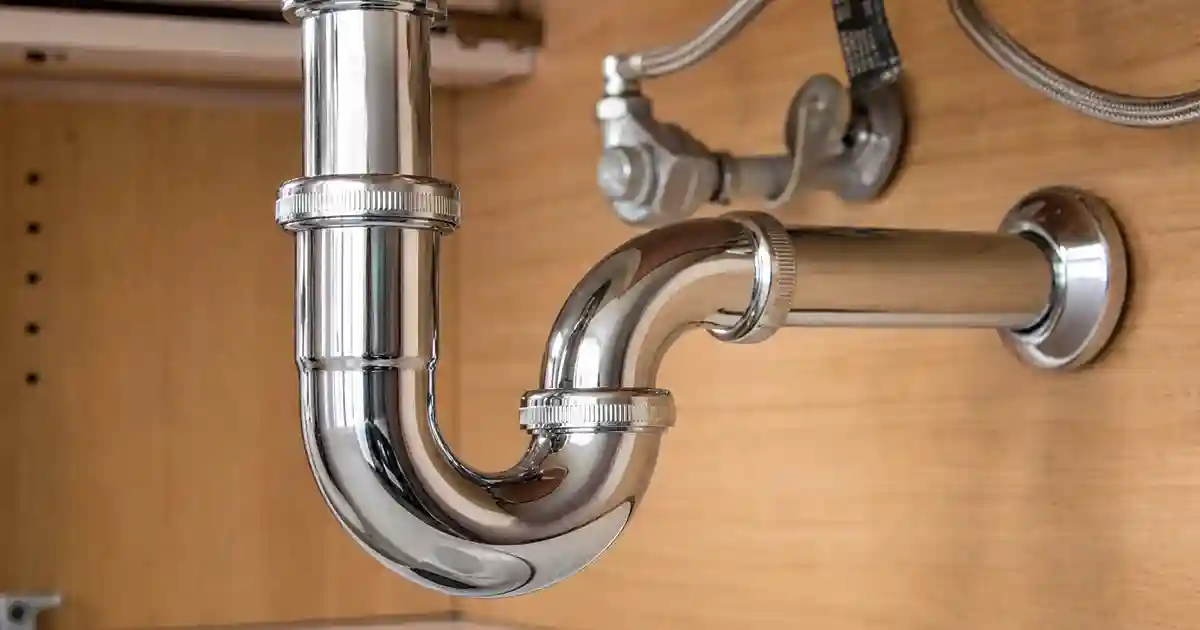
You probably use your sink every day without thinking about what is happening underneath. Water flows down. Everything disappears. No smell. No issue. That simple experience depends on one small but critical component. The P trap.
If you have ever wondered what a P-trap plumbing is and why it matters, you are looking at one of the most important parts of your drainage system. Let’s break it down in a way that actually makes sense.
What Exactly Is a P Trap?
A P trap is the curved section of pipe you see under sinks. It holds a small amount of water at all times. That water acts as a seal between your home and the sewer system.
Without this seal, sewer gases would travel back up through your drains and into your living space. That is the core function of these trap plumbing. It blocks gases while still allowing wastewater to flow out.
How the P Trap Actually Works
Every time you use a sink, water flows through the trap and out into the drain line. A small portion of that water remains inside the curved section. This creates a barrier. That barrier prevents gases like methane and hydrogen sulphide from entering your home. These gases are not only unpleasant. They can also be harmful in enclosed spaces. When people ask about p-trap plumbing, they are really asking how this simple water seal protects indoor air quality.
Why Every Drain Needs One
Any fixture that connects to your drainage system should have a P-trap. This includes sinks, bathtubs, showers, and even floor drains. Without proper trap plumbing, your home would be exposed to constant sewer odours. You might notice smells, but in some cases, the issue is not immediately obvious. Building codes require P-traps because they are essential for safe and sanitary plumbing systems.
What Happens When a P Trap Dries Out
The system only works if water stays in the trap. If a sink or drain is not used for a long time, the water inside the trap can evaporate. Once that happens, the seal is gone.
You may notice a strong odour coming from the drain. That is a clear sign that the trap is no longer doing its job. Restoring proper P-trap plumbing in this case is simple. Running water through the fixture refills the trap and reestablishes the seal.
Common Problems With P Traps
While P-traps are simple, they can still cause issues. Clogs are the most common problem. Food debris, grease, and soap buildup can collect inside the curved section. This restricts flow and slows drainage. Leaks are another issue. Because the trap is made of multiple connections, seals can wear out over time.
If your sink is draining slowly or you notice water under the cabinet, the P-trap is often the first place to check. Understanding trap plumbing helps you recognize these early signs before they become bigger problems.
Why Proper Installation Matters
Not all P-traps are installed correctly. If the angle is wrong or the connections are loose, the trap may not hold water properly. This breaks the seal and allows odours to enter.
Improper installation can also affect drainage flow, leading to repeated clogs. Professional plumbers ensure that p-trap plumbing is installed according to code and aligned correctly with the rest of the system. Plombeo focuses on proper installation to avoid long-term issues.
When You Should Replace a P Trap
P-traps do not last forever. If the pipe is cracked, corroded, or leaking repeatedly, replacement is the best option. Modern materials like PVC are more durable and resistant to buildup compared to older metal traps.
If you are dealing with recurring drainage issues, upgrading your trap plumbing may improve performance and reliability.
A Small Component That Makes a Big Difference
The P trap is easy to overlook, but it plays a major role in your home’s plumbing system. It protects air quality. It supports proper drainage. It prevents harmful gases from entering your living space.
If you notice odours, slow drains, or leaks under your sink, it may be time to inspect your trap. If you are unsure about the condition or installation of your p-trap plumbing, reach out to us to ensure your system is working safely and correctly.
One thought on “What is P Trap Plumbing and its Purpose?”
Comments are closed.