

Blogs
Why Does My Basement Smell Like Sewer?

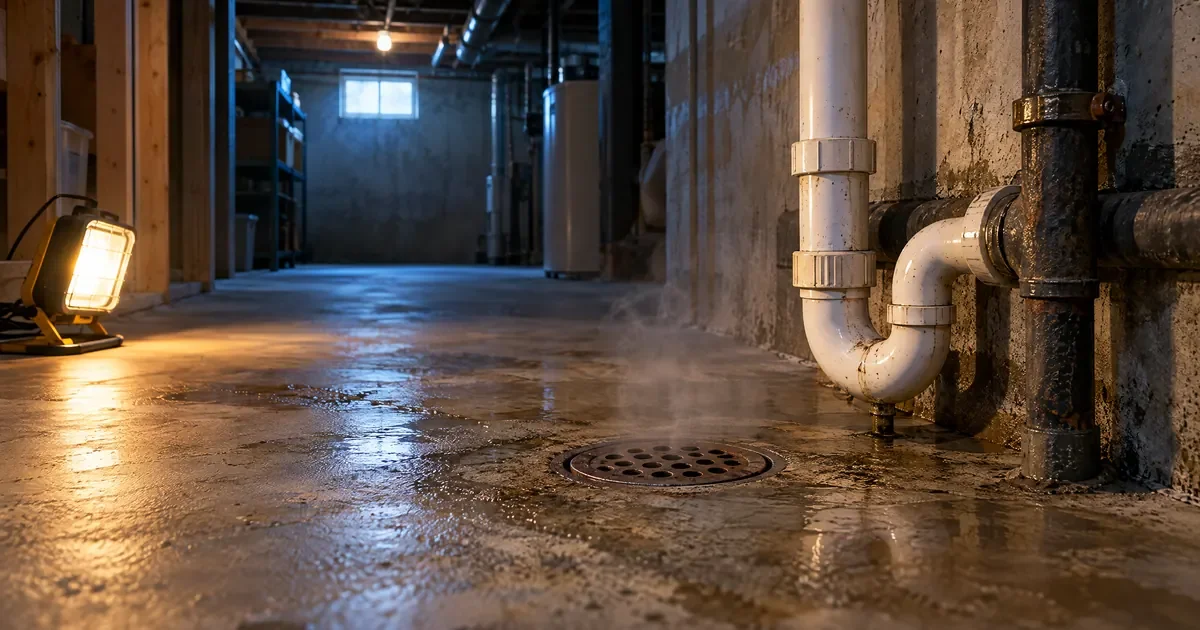
You walk into your basement, and it hits you immediately. A foul, sulphuric smell that is unmistakably sewage. It is not a musty or damp odour. It is sewer gas, and that tells you something specific is wrong with your plumbing system. If you’re asking why your basement smells like sewer, then you need to understand. There are a number of causes that can range from something as simple as an evaporated drain trap to a cracked pipe or a developing sewer line blockage. Each cause needs a different fix, and none of them get better on their own.
Sewer gas is a mixture of compounds that includes hydrogen sulphide, methane, ammonia, and other gases produced as organic matter decomposes in the drain system. At low concentrations, the smell is unpleasant. At higher concentrations in an enclosed space like a basement, it can cause headaches, nausea, and, in extreme cases, create a hazard. If your basement smells like sewer, understanding the source quickly is important for both your comfort and your health.
A Dry Floor Drain Trap
This is the most common reason why a basement smells like a sewer, and it is also the easiest to fix. Your basement floor drain has a P-trap beneath it, just like every other drain in your home, that holds a small amount of water to form a physical seal against sewer gas. If the drain is rarely used, that water evaporates over time. Once the trap is dry, there is nothing blocking gas from rising directly through the drain into your basement.
The fix is as simple as pouring a litre or two of water slowly into the floor drain. This refills the trap and reinstates the gas seal. Adding a few tablespoons of cooking oil on top of the water slows down future evaporation. If you notice the smell returning within a few weeks, the trap is draining faster than it should, and a plumber should check whether the trap seal is damaged or improperly installed.
A Cracked or Leaking Sewer Line
A cracked sewer line beneath the basement floor or in the walls can release sewer gas into the building without producing any visible water on the surface. Hairline fractures in clay, cast iron, or older PVC lines allow gas to escape into the surrounding soil and then rise through cracks in the concrete slab or foundation walls. If your basement smells like sewer persistently and pouring water into the floor drain does not resolve it, a cracked line is one of the first things a professional will investigate.
A sewer camera inspection locates any cracks, fractures, or misaligned sections in the line without excavation. Depending on what the inspection reveals, the line can be repaired using cured-in-place pipe lining, which inserts an epoxy liner inside the existing pipe to seal the damage, or through targeted section replacement.
A Developing Sewer Line Blockage
When the main sewer line begins to back up, decomposing organic matter trapped in the pipe produces concentrated sewer gas that works its way back through your drain lines. The smell often appears in the basement first because the floor drain is the lowest connection point in the system. If you also notice floor drains running slowly or hear gurgling from fixtures when you use water elsewhere in the house, a partial main line blockage may be behind the smell.
In this case, the odour is an early warning that a backup is developing. Acting now prevents the far more significant problem of sewage physically rising through the floor drain, which requires professional cleanup and can affect the health of everyone in the home.
A Loose or Failing Ejector Pump Lid
If your home has a sewage ejector pump in the basement, which is used to pump wastewater uphill to the sewer line in homes where the basement sits below the sewer level, the pump sits inside a sealed pit with a lid. If that lid is loose, cracked, or improperly sealed, sewer gas from the pit escapes into the basement continuously. The smell is strongest near the pump pit and tends to be persistent regardless of drain use.
Replacing or resealing the lid is often a straightforward fix. If the pump itself is aging, a professional assessment of the ejector system is a good idea to ensure the pump and the pit are both properly sealed and functioning.
A Blocked Vent Stack
The plumbing vent stack runs from your drain lines through the roof and allows sewer gas to escape the system safely upward. When the vent is blocked by debris, a bird’s nest, or ice during Québec winters, the gas cannot exit through the roof. It accumulates inside the drain system and eventually finds its way into the basement through dry traps or pipe gaps. If your basement has a rotting sewer smell after a cold snap or following a period of strong winds that could have pushed debris into the vent opening, the vent stack is worth checking.
Resolve the Smell at the Source
A basement that smells like sewer is your home’s way of telling you the drainage system needs attention. Whether it is a dry trap, a cracked line, a developing blockage, or a vent issue, ignoring it allows the condition to worsen. Contact Plombeo for expert drain cleaning services and plumbing diagnostics across Québec. Our certified team finds the source of the smell precisely and fixes it with workmanship that holds.