

Blogs
How to Stop Basement Floor Drain Backing Up?

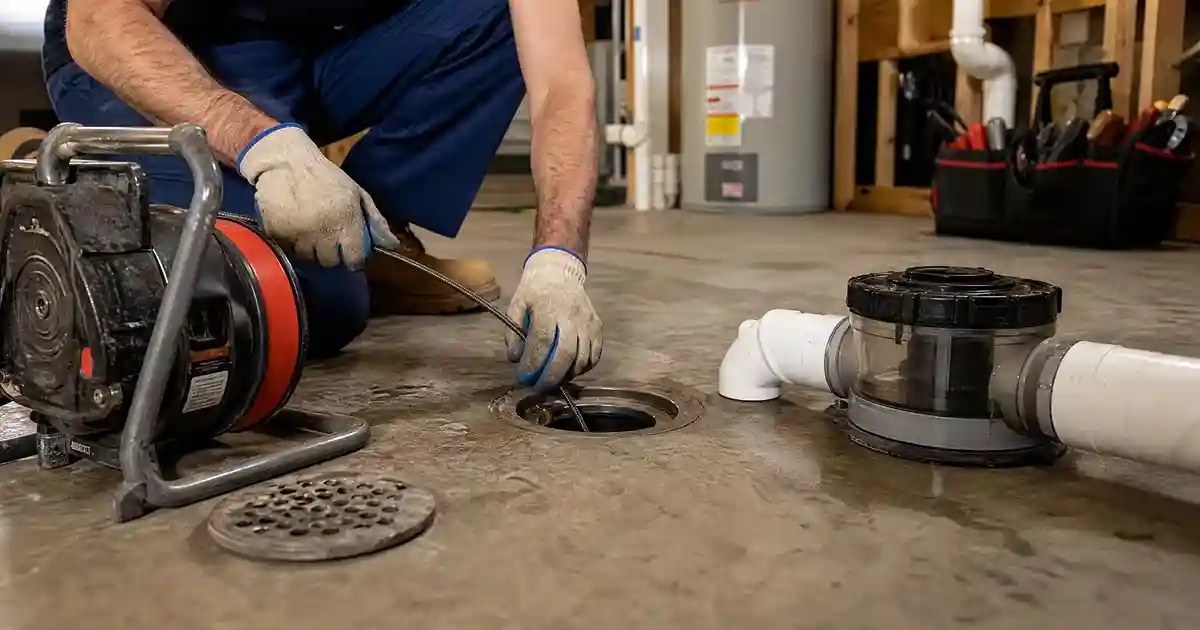
You walk into your basement and notice water where it should not be. Maybe it is a small puddle around the drain. Maybe it smells off. Or maybe water is slowly rising from the floor drain itself. That moment is frustrating, but more importantly, it is a warning.
If your basement floor drain is backing up, it is not just a local problem. It usually means something deeper in your drainage system is not working properly. Let’s walk through what causes it and what you should do next.
Why a Basement Floor Drain Backs Up
Your basement floor drain is connected to your home’s main drainage system. When everything is working correctly, wastewater flows away from your home. But when there is a blockage or restriction, water has nowhere to go. It finds the lowest point in your home, which is often the basement floor drain.
If you notice your basement floor drain backing up, it is usually caused by one of three things. A blockage in the main drain line, buildup inside freeze pipes over time, or external factors like heavy water flow entering the system. Understanding this helps you avoid treating the symptom instead of the cause.
The Early Signs You Should Not Ignore
Before a full backup happens, your plumbing often gives warnings. You may hear gurgling sounds from nearby fixtures. Water may drain more slowly in sinks or tubs. You might notice a faint sewer smell coming from the drain.
These are signs of pressure building inside your pipes. If your basement floor drains start to back up, it likely started as a slow restriction that gradually worsened. Acting early can prevent a full overflow.
Step One: Stop Using Water Immediately
The first thing you should do is reduce pressure on your system. Avoid running sinks, flushing toilets, or using appliances that discharge water. Every bit of water you use adds more pressure to an already blocked line.
And that continued use of water will only push more waste toward the lowest outlet. This step helps prevent further flooding while you assess the situation.
Step Two: Check for Simple Surface Blockages
Sometimes the issue is right at the drain opening. Remove the drain cover and check for visible debris. Hair, dirt, or small objects can sometimes block the flow at the surface level.
If the blockage is shallow, clearing it may restore drainage. However, if water remains or returns, the problem is deeper in the system.
Step Three: Understand When It Is a Main Line Issue
If multiple fixtures in your home are draining slowly, the issue is likely in the main drain line. This is more serious. A main line blockage affects the entire plumbing system. It can be caused by grease buildup, sediment, or even tree root intrusion in some cases.
When your basement floor drain backs up, and other drains are also slow, it is a strong signal that professional cleaning is required.
Why DIY Fixes Often Fall Short
It is tempting to try chemical cleaners or basic tools. But most household solutions only clear partial blockages. They do not restore the full pipe diameter. That means the problem can return quickly. Worse, some chemicals can damage pipes over time, especially in older systems.
Professional drain cleaning uses mechanical or high-pressure methods to fully clear buildup and restore proper flow. Plombeo focuses on complete system cleaning rather than temporary fixes.
External Factors Can Also Play a Role
Sometimes the issue is not inside your home. Heavy rainfall or excess water entering municipal systems can overwhelm drainage capacity. When that happens, water may push back toward residential properties. This is another reason why a basement floor drain backing up should never be ignored. It may require inspection beyond just your internal plumbing.
Preventing Future Backups
Once the issue is resolved, prevention becomes important. Regular drain cleaning helps keep pipes clear. Avoid pouring grease or heavy debris down sinks. Installing backflow prevention devices can also protect your home from external pressure changes. Understanding why your floor drain is backing up helps you take steps that reduce the risk of it happening again.
Take Action Before It Gets Worse
A basement backup is more than an inconvenience. It can lead to water damage, contamination, and costly repairs. If you are dealing with a basement floor drain backing up, do not wait for the situation to escalate. A professional inspection ensures the problem is fully resolved and not just temporarily cleared.
If the issue persists or keeps returning, reach out to us to restore proper drainage and protect your home.
One thought on “How to Stop Basement Floor Drain Backing Up?”
Comments are closed.