

Blogs
How to Tell if Plumbing Vent Is Clogged

You flush the toilet and hear a strange gurgling sound from the shower drain across the room. Your sinks drain slowly even though you just cleared them. A faint, unpleasant odour keeps returning to your bathroom without an obvious source. These are not random, unrelated issues. They are classic signs that your plumbing vent is clogged, and understanding why they happen is the first step toward fixing them.
Most homeowners know their homes have drain pipes and supply lines, but the vent system that runs alongside them is less understood and, when it fails, less obvious to diagnose. Knowing how to tell if your plumbing vent is clogged saves you from chasing the wrong problems and helps you recognize when a professional needs to get involved before the consequences become more serious.
What Is a Plumbing Vent and Why Does It Matter?
Every plumbing system includes a vent stack, a pipe that runs from the drain system up through the roof of the house. Its job is to admit fresh air into the drain network so that water can flow freely without creating a vacuum. As water moves through drain pipes, it displaces air. Without a vent to replenish that air, a negative pressure builds up that slows drainage, empties P-traps, and ultimately allows sewer gas to move into your living space.
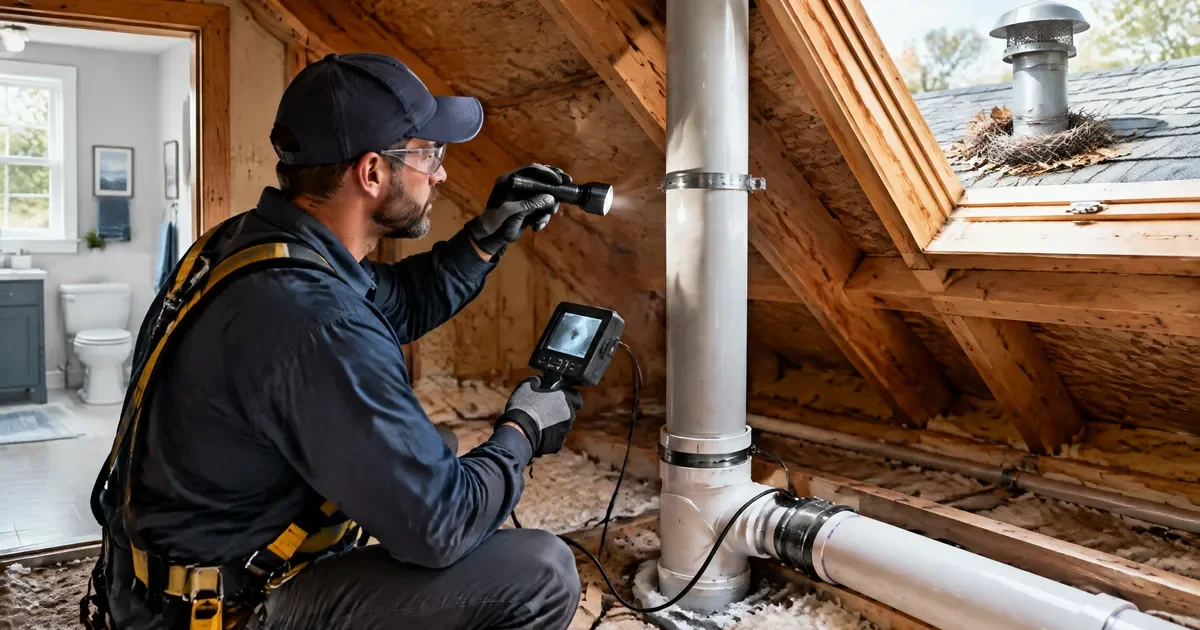
The opening of the vent stack sits on your roof, which makes it vulnerable to blockages from leaves, debris, bird nests, ice formation in winter, and other outdoor material. When that opening is blocked, the entire vent system stops functioning. The effects ripple through every drain in the house. Professional drain cleaning services can inspect and clear a blocked vent stack safely.
Sign One: Slow Drains Throughout the House
When a plumbing vent is clogged, the air pressure that pushes water through the drain system is reduced or eliminated. Water that should exit quickly backs up and drains sluggishly. If you notice multiple slow drains throughout your home and you have already ruled out individual fixture clogs through plunging or basic clearing, the vent stack is a strong candidate.
The key distinction is this: a single slow drain usually means a localized blockage near that fixture. Multiple slow drains appearing at the same time, especially when they were all functioning normally recently, are more likely to be a vent issue.
Sign Two: Gurgling Sounds From Drains
Gurgling or glugging sounds coming from your toilet, shower, or sink drains when water exits them are one of the most recognizable symptoms of a clogged plumbing vent. These sounds happen because the restricted air in the vent system is struggling to replace the vacuum left by draining water. The air finds the path of least resistance, which is often back through the water in a nearby drain trap, creating that distinctive bubbling, gurgling sound.
Sign Three: Sewer Gas Odours Inside the Home
Your plumbing vent also serves as the exhaust for sewer gases that accumulate in the drain system. When the vent is clogged, those gases cannot escape through the roof as they should. Instead, the reduced air pressure in the drain system can pull water out of your P-traps, the curved sections of pipe beneath fixtures that hold a small water seal specifically to block sewer gas from entering the home.
Once a P-trap dries out, there is nothing between your living space and the sewer gas below. If you are noticing a persistent rotten-egg or sewage smell in your bathroom without an obvious leak, a clogged plumbing vent may be draining your P-traps and allowing gas to rise through the fixtures. Our guide on how to get rid of sewer smell in bathroom covers the most practical fixes for this exact problem.
Sign Four: Slow or Empty Toilet Tank
A clogged plumbing vent can also affect how your toilet tank behaves. The negative pressure created by a blocked vent can interfere with the normal refill of the tank after flushing. If your toilet tank takes unusually long to refill, or if you notice the water level in the toilet bowl changing without flushing, disrupted air pressure in the vent system is a possible cause alongside other mechanical explanations.
What to Do If You Suspect a Clogged Vent
If the vent opening on your roof is accessible and it is safe to check, a visual inspection may reveal an obvious blockage at the opening. Leaves, debris, or a bird nest can sometimes be removed directly. A garden hose inserted into the vent from the roof can also flush a shallow obstruction. If the blockage is further inside the vent pipe or if roof access is not safe, do not attempt to clear it yourself. contact us before climbing up, and we will handle the inspection for you.
A clogged plumbing vent deeper in the stack requires a plumber snake, specialized camera equipment, and proper technique to clear without damaging the vent pipe or creating a worse restriction further in the system. Our emergency plumber team has the tools to reach these deeper obstructions safely.
Get It Cleared by a Certified Plumber
If you are recognizing these signs in your home, do not keep chasing individual drain problems. Contact Plombeo for expert drain and vent cleaning in Montreal and broader Quebec. Our certified team diagnoses whether your plumbing vent is clogged and clears it properly so your entire drainage system returns to proper function.
One thought on “How to Tell if Plumbing Vent Is Clogged”
Comments are closed.