

Blogs
How to Find a Water Leak in your House?

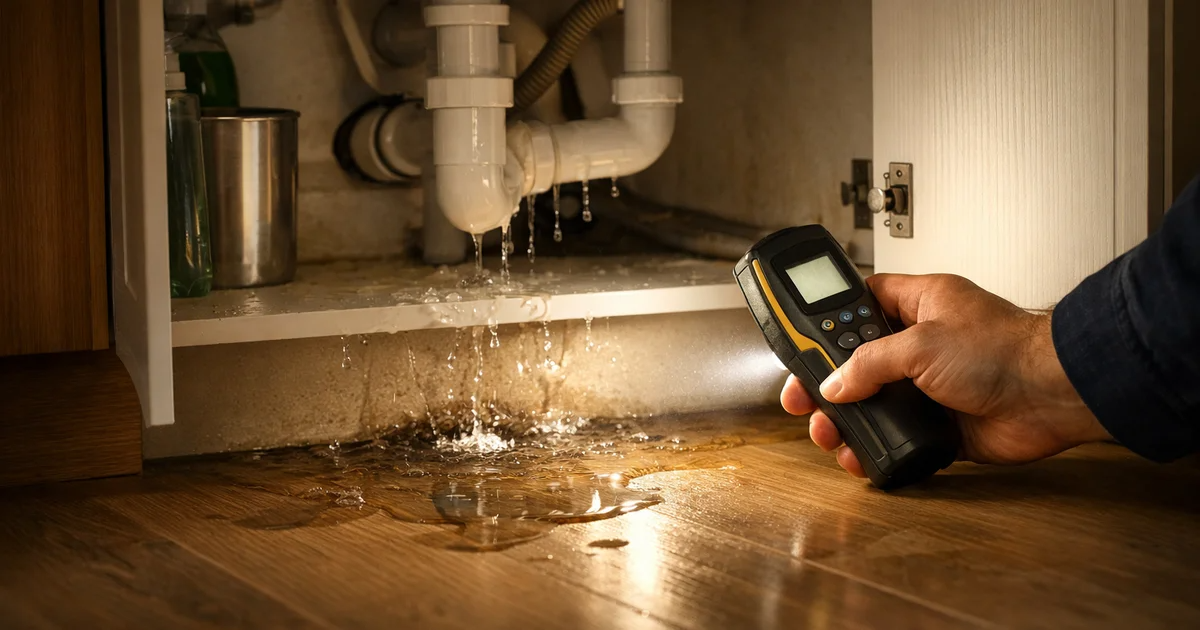
You walk into your basement and notice a faint, damp smell. Or maybe your water bill suddenly jumps for no clear reason. These are often early signs of a hidden water leak.
The truth is, a small leak can quietly damage drywall, flooring, insulation, and even your property’s foundation. If you catch it early, you save yourself from major repairs. If you ignore it, the damage spreads.
Let’s walk through how you can find a leak in your house step by step, and how to know when it is time to bring in professionals like Plombeo who are expert in Water Leak Repair Services in Montreal.
1. Start with Your Water Meter
One of the most reliable ways to confirm a hidden leak is by monitoring your water meter. First, turn off all faucets, appliances, and fixtures that use water. Make sure no one in your home is using water during this test. Then look at your water meter and note the reading. Wait about one hour without using any water and check again.
If the reading has changed, you likely may have a leak somewhere in your system.
This simple test can help you confirm a problem before you start opening walls or floors.
2. Look for Visible Warning Signs
Leaks rarely stay completely invisible forever. They leave clues. Check for water stains on walls or ceilings. Look for bubbling paint or peeling wallpaper. Soft drywall or warped flooring are also common signs. In basements, watch for damp concrete or white mineral deposits.
Mould growth is another serious indicator. Moisture trapped behind surfaces creates the perfect environment for mould to develop. If you notice a musty smell, it may point to a hidden water leak.
These signs mean water has already been present for some time. Acting quickly limits further damage.
3. Inspect Common Problem Areas
Some areas in your home are more prone to leaks than others. Check under sinks for moisture around supply lines and drain pipes. Look behind toilets for loose connections. Inspect washing machine hoses and dishwasher supply lines. Water heaters are another common source of leaks, especially near the bottom of the tank.
In colder climates like Quebec, seasonal temperature shifts can cause pipes to expand and contract. Over time, this movement weakens joints and fittings.
If you cannot see the source but suspect a problem, the issue may be inside a wall or under the floor.
4. Test Toilets for Silent Leaks
Toilets are one of the most common sources of a hidden water leak. Add a few drops of colouring to the toilet tank. Wait about 15 minutes without flushing. If colour appears in the bowl, you have a leak through the flapper valve. This type of leak is often silent but can waste a significant amount of water over time. Also read about How to Fix a Running Toilet.
5. Check Outdoor Plumbing
Sometimes the problem is outside your home.
Inspect outdoor hose bibs and irrigation systems. Look for soggy patches in your yard that do not dry out. A break in your underground service line can cause water to pool or create unusually green patches of grass. If you suspect an underground leak, professional leak detection equipment may be required.
When to Call a Professional
Some leaks are easy to spot. Others require specialized tools. If you have confirmed a leak with your water meter but cannot find the source, it is time to call a licensed plumber. Professional leak detection tools use acoustic sensors and pressure testing to locate leaks without unnecessary damage to your home.
Acting quickly prevents structural damage and reduces the risk of mould growth. Proper repair also reinforces weak pipe sections so the problem does not return.
Protect Your Home Before It Gets Worse
Finding a leak early protects your property and your budget. The key is paying attention to signs and testing your plumbing system before damage spreads. If you suspect a hidden water leak in your home, do not wait. Contact the professionals at Plombeo for precise detection and reliable repair. Acting now can prevent costly structural damage later.
2 thoughts on “How to Find a Water Leak in your House?”
Comments are closed.