

Blogs
Why Does My Sump Pump Keep Running

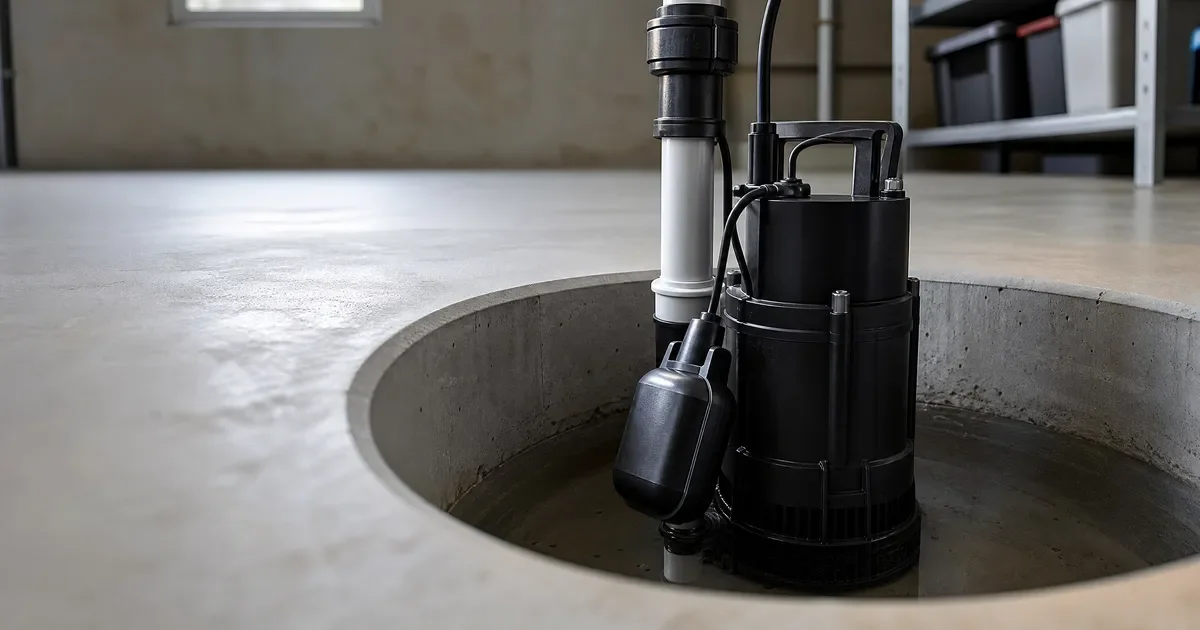
You head down to your basement and notice it immediately: the hum that never stops. Your sump pump is running. And running. And running. If you have been asking yourself why does my sump pump keep running without finding a clear answer, Plombeo homeowners are in the right place. A sump pump that will not shut off is more than an annoyance. It is your home signalling that something is not working the way it should.
Sump pumps are built for intermittent use. They cycle on when water rises, pump it out, then shut off. Continuous operation puts intense strain on the motor, generates heat, and can lead to full pump failure, often at the worst possible time during a heavy rainstorm or rapid snowmelt. Understanding exactly why your sump pump keeps running gives you the information you need to act before that happens.
A Stuck or Faulty Float Switch
The float switch is the component that tells your pump when to turn on and when to turn off. It rises with the water level and drops when the pit empties. When the float gets wedged against the pit wall, tangled in the power cord, or simply wears out, it can get stuck in the “on” position. Your pump then runs continuously even when the pit is completely dry.
If your pit looks empty but the pump is still running, a jammed float switch is one of the first things to suspect. This is one of the most common reasons why a sump pump keeps running and one of the more straightforward fixes when diagnosed correctly.
A Frozen or Blocked Discharge Line
Your sump pump pushes water out through a discharge line that exits your home. If that line becomes frozen in winter, kinked, or blocked by debris, the water has nowhere to go. It backs up into the pit and creates a cycle where the pump runs continuously but never actually removes any water.
This is a particularly common problem in Quebec winters. When outdoor temperatures drop sharply, discharge lines near ground level can freeze solid. If your pump sounds like it is working but the pit level does not drop, the discharge line is a likely culprit. A professional can safely clear the line and recommend a freeze guard to prevent recurrence.
Water Recirculating Back Into the Pit
Even if the discharge line is clear, it may be releasing water too close to your home’s foundation. When water exits within a few feet of the house, it seeps back into the soil and finds its way back into the sump pit. The result is a loop where the pump never gets ahead of the returning water.
The standard recommendation is for your discharge line to direct water at least ten feet away from the foundation. If yours falls short of that, water recirculation may be the reason your sump pump keeps running longer than it should.
High Groundwater or an Undersized Pump
During significant snowmelt or extended rainfall, the groundwater table around your home can rise substantially. If the volume of water entering the pit exceeds what your pump can handle, it will run constantly trying to manage an inflow it cannot keep up with. This may mean your pump is correctly functioning but simply undersized for your property’s conditions.
Similarly, if your sump pit itself is too small, it fills quickly and triggers the float switch in rapid cycles. A plumber can assess whether your pump and pit are properly matched to your home’s drainage demands and recommend a solution if they are not.
A Pump Approaching the End of Its Life
Most sump pumps are designed to last between seven and ten years. As they age, the impeller, the rotating component that moves water, can wear down or sustain damage. This reduces pumping efficiency, which means the pump has to run longer to move the same volume of water. If your unit is more than seven years old and you are wondering why your sump pump keeps running, age-related wear is worth considering.
A pump working harder than it was designed to will also run hotter, compressing its remaining lifespan quickly. Getting a professional assessment before an aging pump fails completely gives you time to plan a replacement rather than dealing with an emergency.
When to Call a Professional
If you have checked the float switch, confirmed the discharge line is clear, and your pump is still running without stopping, the problem is likely mechanical or capacity-related and needs professional diagnosis. Continuing to let the pump run in this condition risks motor burnout, which can leave your basement unprotected when it rains.
Basement water issues often extend beyond the sump pump itself. If you are dealing with a basement floor drain backing up, that is a separate plumbing problem that requires its own diagnosis. For homeowners in Quebec concerned about winter pipe protection, our guide on what to do when pipes freeze in house covers emergency steps and prevention. If you need immediate help with a failing sump pump or drainage issue, our emergency plumber in Montreal team responds quickly to prevent basement flooding.
Contact Plombeo for expert plumbing services across Quebec. Our certified team diagnoses exactly why your sump pump keeps running, clears blockages, replaces failing units, and ensures your basement protection is fully restored. Do not wait until the motor burns out.